
Exercise classes for bad backs in SE23 with core conditioning

Back pain doesn’t have to put your wider fitness goals on hold. You can combine suitable exercise classes for bad backs in SE23 with general fitness, building core strength and flexibility through movement that works alongside clinical advice. Sessions can include stretching, mobility and strengthening exercises to support the muscles around your spine.
It’s understandable to feel cautious about exercise when your back hurts. The right approach is not about pushing through pain, but choosing movements and effort levels that fit your needs. This guide explains how back-pain training can complement your fitness routine, what core conditioning and flexibility work may involve, and how to keep clinical guidance in the picture as you plan your next steps.
Table of Contents
Can I combine back pain training with general fitness goals?
Yes, back-focused exercise can sit alongside general fitness when sessions build movement gradually and suit your needs. Physiotherapist-led mat exercises can focus on posture, the lower back and core, leaving room to adapt your wider routine.
Posture and spinal alignment
Posture work helps you notice how you hold your spine during movement, rather than trying to stay rigid all day. A mat session might practise a comfortable neutral position, then use controlled movements to maintain it. Look for clear demonstrations and options to adjust each exercise. Better awareness can help you use the same alignment cues in everyday tasks, such as sitting at a desk or bending to lift a light bag.
Core and postural strengthening
Core and postural strengthening targets the muscles that support your spine, including the muscles around your trunk and hips. A physiotherapist-led class may use steady mat movements, with attention to balance and control instead of speed. Notice whether the instructor offers a simpler version before adding challenge. This makes it easier to match effort to your current ability and keep your general fitness routine focused on quality movement.
Stretching and mobility exercises
Stretching and mobility work can include hip flexor stretches, hip rotation and gentle spinal movement. Each exercise should feel controlled, with a range you can manage without forcing your back. A class may combine these movements with posture practice, so mobility supports rather than replaces strengthening. Ask how an exercise can be adapted if a position feels uncomfortable, and follow the movements that fit your clinical advice.
Which exercises or classes should people with back pain avoid? Avoid movements that push your spine into extreme flexion or extension, or combine forward bending with side-bending or twisting. A posture and lower-back class isn’t suitable during recovery from recent surgery, with an acute injury, or when pain is severe or worsening.
Are there NHS or council-funded back exercise classes near SE23? Near SE23, NHS-supported back exercise and council-funded group sessions are separate routes, with access depending on the local programme and its eligibility rules. Look for physiotherapist involvement when you need exercise shaped around clinical back care.
To combine back training with general fitness, treat posture, mobility and strength as parts of one plan. For example, practise a mat-based core exercise with controlled breathing, then choose a separate activity that suits your current ability. Build changes gradually, and use the instructor’s adaptations rather than pushing through a movement that feels wrong. This can help you work towards broader goals while keeping the muscles supporting your spine in focus. A good session is one you can complete with control, not one that leaves you exhausted.
Core conditioning and flexibility
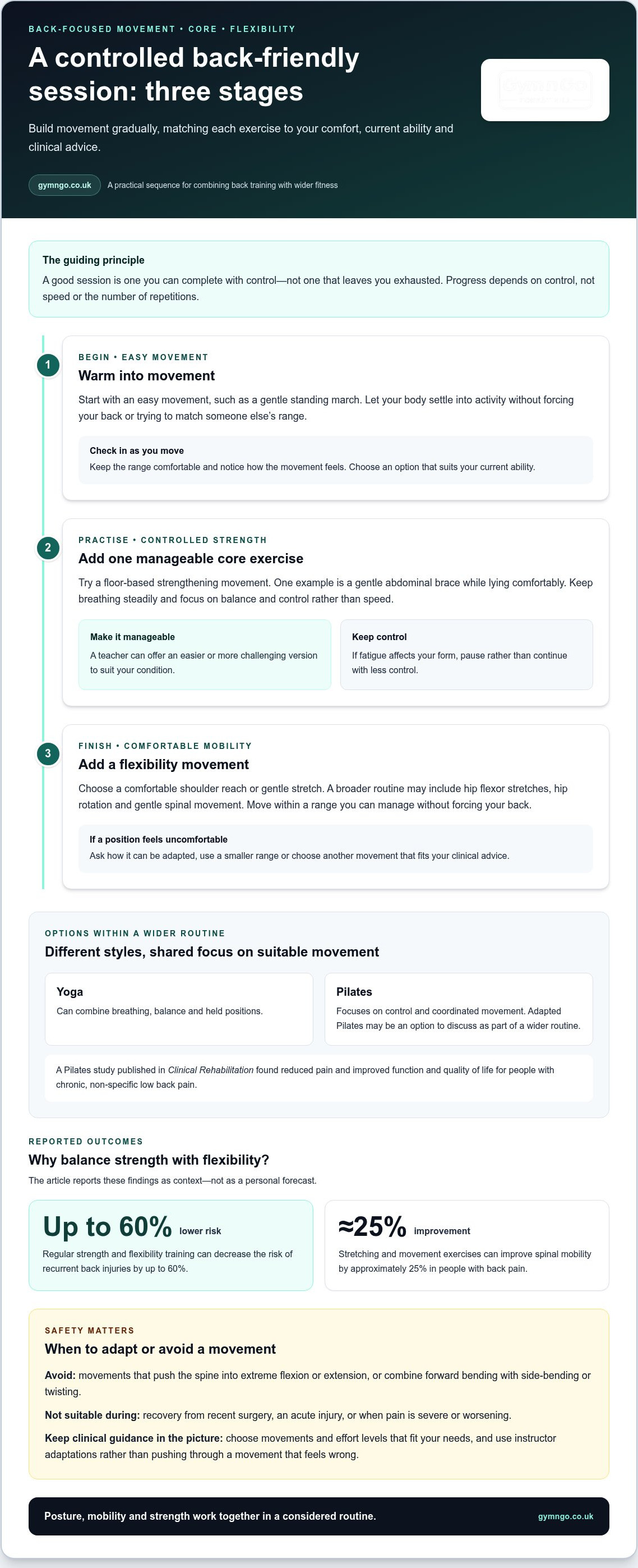
Core conditioning and flexibility can complement broader fitness goals by balancing controlled strengthening with comfortable movement. A practical session might pair a floor-based core exercise with gentle stretching, then build towards movements used in everyday activities.
Core work trains the muscles around your trunk to support controlled movement. Start with a manageable exercise, such as a gentle abdominal brace while lying comfortably, then practise maintaining steady breathing. Progress depends on control, not speed or the number of repetitions. A teacher can offer easier or more challenging versions, helping you choose a level that suits your current condition.
Flexibility and strength work have been associated with fewer recurring back problems. Regular strength and flexibility training can decrease the risk of recurrent back injuries by up to 60%. Stretching and movement exercises can improve spinal mobility by approximately 25% in people with back pain. These figures describe reported outcomes, not a personal forecast; use them as context for why a balanced routine includes both movement and strengthening.
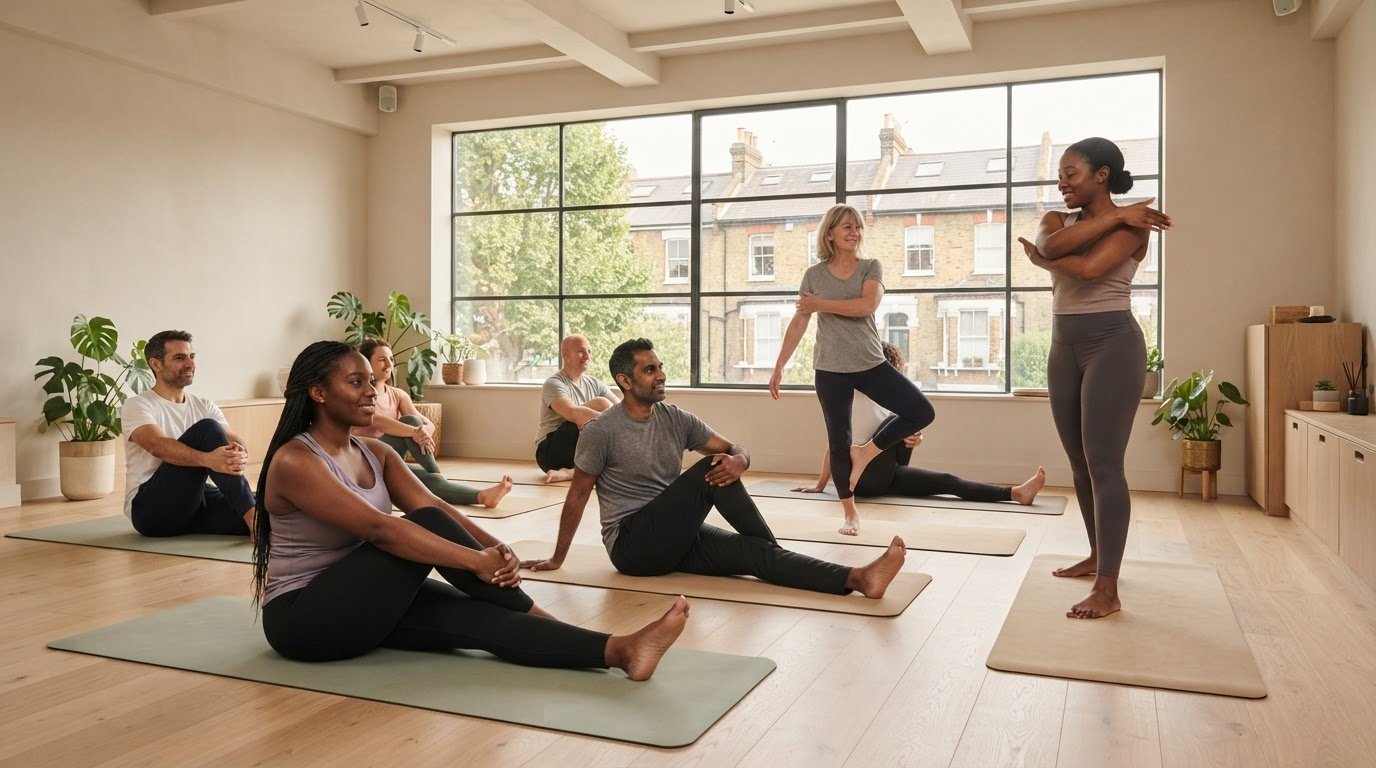
Yoga can combine breathing, balance and held positions, while Pilates focuses on control and coordinated movement. Choose movements that keep your spine comfortable, and use a smaller range if a position feels difficult. A Pilates study published in Clinical Rehabilitation found reduced pain and improved function and quality of life for people with chronic, non-specific low back pain. This evidence makes adapted Pilates an option to discuss as part of a wider routine.
Hip and shoulder flexibility can also affect how freely you move during a fitness session. Comfortable hip movement, for example, can make standing, stepping and changing direction feel less restricted. Shoulder mobility matters when reaching overhead or moving your arms during a walking warm-up. Practise within a comfortable range, and avoid forcing a stretch to match someone else’s position.
Build a session in a simple order: begin with easy movement, practise one controlled core exercise, then add a flexibility activity. For example, start with a gentle standing march before a floor-based strengthening movement and a comfortable shoulder reach. Notice whether you can breathe steadily and stay in control throughout. If fatigue affects your form, pause rather than continue with less control.
For chronic back pain, the aim is to combine suitable activity with a routine you can sustain. A class that offers adaptations can help you take part without turning every movement into a test. Briefly note which positions felt manageable, such as a supported floor exercise or an easy standing stretch. Use those examples to guide your next session and keep your exercise choices focused.
If you’re ready to add structured movement to your routine, explore group fitness classes and choose activities that fit your goals and comfort.
Options for different ability levels
Your starting point can shape the pace, position and range of movement in a back-focused class. In Forest Hill, look for sessions that explain easier variations, allow time to pause and help you build confidence without treating every exercise as a test.
If you’re returning to activity, begin with gentle movements you can control. For example, practise a short standing weight shift, then notice whether you can breathe comfortably and keep your balance. In a mat class, a smaller range of movement may feel more manageable than copying the fullest version. Tell the instructor which positions feel comfortable so they can suggest a suitable adjustment.
As movement becomes more familiar, increase the challenge by changing one thing at a time. You might add a little more range to a supported movement before trying a less supported version. Keep the focus on steady technique, not speed. If fatigue makes it harder to maintain good form, pause or stop. Continuing while tired can affect technique and increase the chance of injury.
Class format also matters. A group session provides a shared structure, while one-to-one Personal Training can focus on your exercise choices and progression. Neither format automatically suits everyone; consider how much guidance you want and whether you can follow the instructor’s demonstrations at your own pace. A helpful class makes adaptations part of the session, rather than treating them as a sign you’re falling behind.
Starting gently: Choose supported positions and smaller movements, such as a standing march beside a stable surface.
Building routine: Repeat comfortable movements and add a new challenge only when you can keep control.
Adjusting effort: Rest when tiredness affects your form, rather than pushing through the exercise.
Pregnancy can affect which positions and class lengths feel suitable. The guidance in this article advises pregnant people to ask their midwife or physiotherapist about sessions longer than 45 minutes. That gives you a practical point to discuss when comparing a class timetable with your needs and lifestyle.
Some situations call for a different step before joining a general exercise class. A posture and lower-back exercise class isn’t suitable for people recovering from recent surgery, with an acute injury, or experiencing severe or worsening pain. In those circumstances, seek clinical advice about appropriate activity. If pain limits your movement, clinical guidance can help you decide whether a class or another form of support is more suitable.
Choose a class by its teaching style as well as its description. Look for clear demonstrations, manageable alternatives and time to reset between movements. These details can help you take part at a comfortable level, then adjust as your ability and confidence change.
Working alongside a GP or physiotherapist
A GP or physiotherapist can help you place exercise within your back-care plan. Share the movements you’re considering, such as Pilates, stretching or a walking routine, and explain how each affects daily activities. This gives the conversation a practical focus: what you can do comfortably, what feels difficult and which activities may need adapting.
Before a class, write down the advice you’ve received and any movements you’ve been asked to modify. For example, note whether floor-based exercises, forward bending or twisting need an alternative. Share those details with the instructor so they can help you follow the guidance during class. If instructions are unclear, ask your clinician to explain the movement or limitation in plain terms.
Describe changes through everyday examples. You might explain that getting dressed, sitting through a meal or reaching a shelf feels different. These details help your GP or physiotherapist understand which aspects of physical function matter most to you. They can then discuss how activity fits alongside your wider care and which changes should prompt another conversation.
Keep a simple record between appointments. After each session, note the exercise type, the movements you completed and how your back felt during ordinary tasks afterwards. Include examples such as walking to the shops or standing to prepare a meal. This record can help you discuss patterns with your physiotherapist, rather than relying on a general impression of whether exercise felt helpful.
Clinical advice matters especially when symptoms change. A posture and lower-back exercise class isn’t suitable for people recovering from recent surgery, with an acute injury, or experiencing severe or worsening pain. In these situations, seek clinical guidance before taking part. Tell the instructor about relevant advice so class movements can be considered in that context.
Keep the conversation specific as your routine develops. If a standing stretch feels manageable but a floor exercise doesn’t, describe the position and what makes it difficult. Your physiotherapist can consider alignment, range of movement and the activity you’re trying to return to. A GP can also discuss your concerns and help you understand the next step in your care.
Exercise and clinical care have different roles. A class provides structured movement practice; your GP or physiotherapist provides advice related to your health and function. Neither replaces the other. Keep your goals clear, such as building confidence with everyday bending or returning to regular walks, and bring those goals into conversations about suitable activity.
For a useful check-in, take three points to your next appointment: the activity you want to try, the movement that feels most difficult, and the advice you need clarified. This gives the discussion a clear starting point and helps you make exercise decisions that reflect your clinical guidance and everyday routine.
What class times and venues are available near SE23?
Class times and venues around SE23 depend on each provider’s timetable and location. To find a session that fits your routine, compare the class time, journey and format together. A suitable option is one you can attend consistently and reach without adding unnecessary stress to your day.
Start with the days and times that work for you. If you have work or caring commitments, an evening session may suit you better than a daytime class. If travelling after exercise feels tiring, a class earlier in the day may be more practical. Write down your preferred time window first, then compare local timetables against it.
Location matters as much as the clock. For a venue near home, consider the walk from your front door and how you’ll feel getting back afterwards. If you’re travelling from work, compare the journey from work instead. In SE23, Forest Hill is one local area to include when weighing up where a venue sits in relation to your usual route.
Look closely at what the timetable describes. A general group fitness class, a Pilates session and a back-focused exercise session can have different aims. Check the class format and focus, then consider whether its movements match your exercise goals and any clinical advice. A class title alone may not tell you how much posture, stretching or core work it includes.
Use this shortlist to compare options:
Time: Choose a session that fits your regular weekly routine.
Journey: Consider how you’ll travel there and return afterwards.
Format: Look for a clear description of the exercises and class focus.
Consistency: Prioritise a slot you can realistically keep attending.
Before settling on a time, think through the whole visit. For example, an early class may mean preparing your clothes and travel arrangements beforehand. An evening session may need to fit around work and your journey home. These practical details help you judge whether the timetable supports a lasting routine, rather than merely looking convenient on paper.
If you’re comparing local fitness class options, use your preferred time, travel route and exercise focus as a guide. Those three details can help narrow your search and make it easier to choose a session that fits life in SE23. Keep the choice aligned with any advice you’ve received about suitable movement.
Forest Hill is a local area to consider, while specific class times and venues depend on each provider’s timetable and location. Compare the available sessions with your preferred time and usual travel route.
Gym n Go Forest Hill: Flexible Gym Memberships
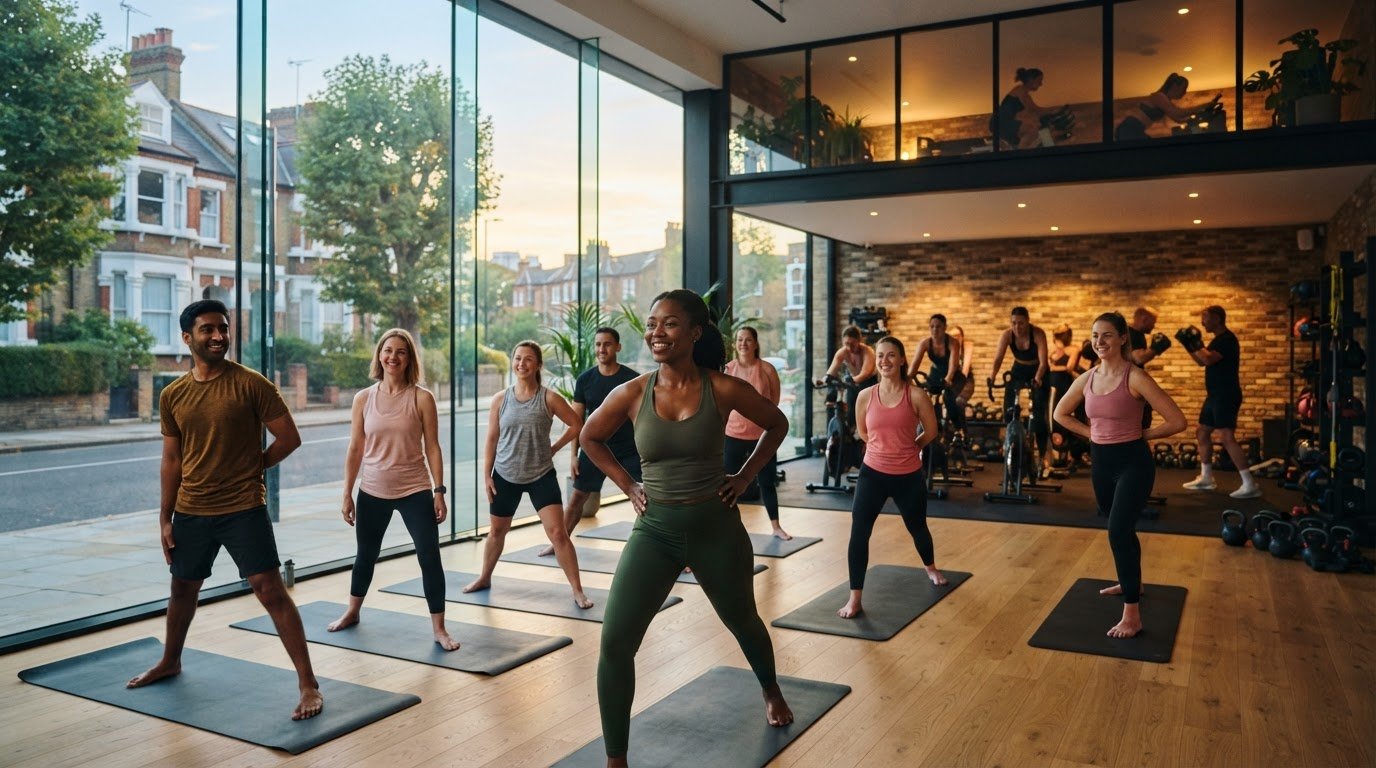
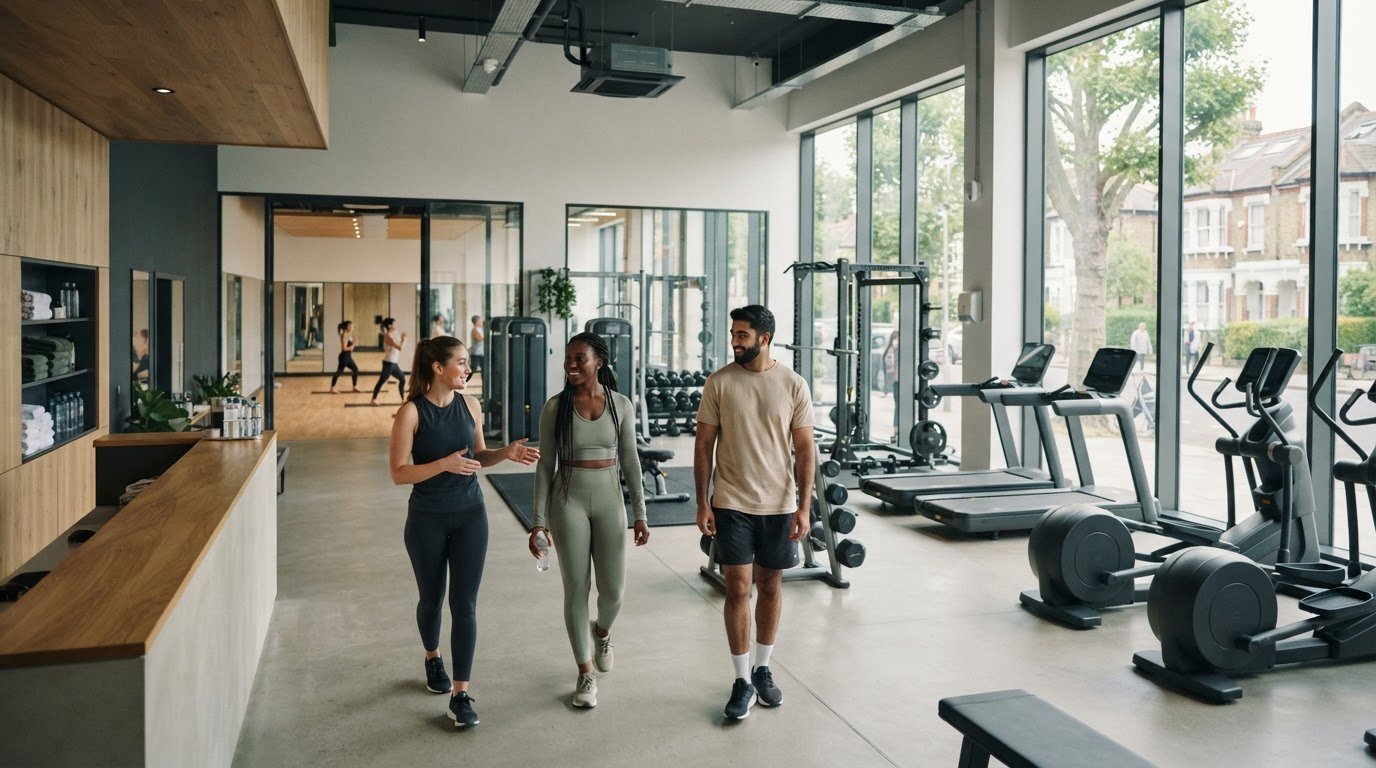
Gym n Go Forest Hill offers flexible gym memberships to help you build a routine around your fitness goals. For guided movement, its yoga and Pilates classes and Personal Training offer options to consider alongside any clinical advice you’re following. Choose activities that match your current ability, and keep your GP or physiotherapist’s guidance in mind when planning exercise for back pain.
These options can suit people looking to add structured movement or one-to-one training to a wider fitness routine. They aren’t a substitute for clinical assessment or rehabilitation. If you’re ready to explore a welcoming local setting for general fitness, contact Gym n Go Forest Hill or visit gymngo.co.uk.
Choose a routine that moves you forward
Your next step is to choose a movement habit that fits into everyday life. Rather than planning a perfect programme, pick one realistic session and consider what would help you return to it: a convenient time, an enjoyable format or support as you build confidence. Keep your personal goals clear, whether that means moving more comfortably or making exercise a regular part of your week.
If you’re considering exercise classes for bad backs in SE23, Gym n Go Forest Hill offers flexible gym memberships, Yoga & Pilates Classes and Personal Training. These options can help you shape a wider fitness routine around your preferences, while clinical guidance remains important for decisions about back pain. Choose the kind of support that feels like a practical next step for you.
Contact Gym n Go Forest Hill to explore your options. Start with a manageable goal and build from there, at a pace that feels right for you.
Frequently Asked Questions
Can I train if my pain flares up sometimes?
Yes, but treat a flare-up as a reason to reassess that day's session, not force your usual routine. Reduce the range or effort, or stop if exercise worsens your symptoms. Note which activity came before the flare-up and whether it affects daily tasks. If pain is severe or worsening, pause exercise and seek clinical advice before returning. This information can help your GP or physiotherapist discuss suitable adjustments.
Can you help with back pain from sitting at a desk all day?
Gym n Go Forest Hill offers Personal Training and Yoga & Pilates Classes as fitness options, not clinical treatment for desk-related back pain. If you spend long periods sitting, note which activities feel difficult, such as standing after a meeting or reaching for a bag. Share relevant clinical advice with your trainer or class instructor, and keep any exercise choices consistent with guidance from your GP or physiotherapist.
How quickly can I start?
Take the first step by contacting Gym n Go Forest Hill to discuss its fitness options. Your first session depends on the class or training arrangement you choose and its schedule. Before booking, decide whether you're looking for a general Pilates or yoga class, group fitness or Personal Training. If back pain is part of your decision, have your clinical advice ready when discussing suitable activity.
Is it safe to exercise if I have ongoing back pain?
Physical activity and exercise can help manage low back pain in the majority of cases, but ongoing symptoms call for choices that suit your situation. Follow relevant advice from your GP or physiotherapist when selecting activities. Avoid joining a posture or lower-back exercise class while recovering from recent surgery, with an acute injury, or if pain is severe or worsening. Seek clinical guidance before resuming exercise in those circumstances.
What exercise classes for back pain are available in SE23, Forest Hill?
Gym n Go Forest Hill offers Yoga & Pilates Classes and Group Fitness Classes in Forest Hill, SE23. These are fitness options, rather than a stated back-rehabilitation programme. If you're comparing exercise classes for bad backs in SE23, consider the class description alongside your goals and any clinical advice. Personal Training is another option for general fitness guidance, with exercise choices kept within the guidance you've received.
Are there Pilates classes in SE23 suitable for people with bad backs?
Gym n Go Forest Hill offers Pilates Classes in Forest Hill, SE23. A class's suitability depends on your current needs and the movements involved, so consider your GP or physiotherapist's advice before taking part. For instance, if you've been advised to avoid a particular position, keep that guidance in mind when choosing a class. Pilates classes are a fitness option, not a substitute for clinical assessment or rehabilitation.
Are there yoga classes in SE23 suitable for lower back pain?
Gym n Go Forest Hill offers Yoga Classes in Forest Hill, SE23. Yoga is a general fitness activity, so choose a class with your own needs and clinical advice in mind. If a clinician has advised you to avoid a movement or position, use that guidance when deciding whether to participate. Tell the instructor about relevant restrictions before class, and stop any movement that conflicts with your clinical advice.
Are there clinical Pilates or back rehabilitation classes near SE23?
Gym n Go Forest Hill offers Pilates classes, but they are not described as clinical Pilates or back rehabilitation. If you need exercise as part of a rehabilitation plan, discuss suitable activity with your GP or physiotherapist. General Pilates may suit a wider fitness routine, but it does not replace clinical care. Keep this distinction clear when comparing classes and planning your next step.
Comments