
Finding the right personal trainer Forest Hill

The best personal trainer for you is someone with a recognised Level 3 Personal Training qualification who listens to your goals and adapts their coaching to suit you. Finding the right personal trainer in Forest Hill also means choosing someone whose communication style, availability and approach feel comfortable and realistic for your routine.
It’s understandable to want a clear plan before committing, especially if you’re new to training or returning after a break. The right personal trainer should help you feel supported, not pressured, and keep your goals at the centre of each session.
This guide explains what to ask during a consultation, how to assess a tailored plan and progress tracking, and what to consider about scheduling, budget and coaching style. Use these practical points to compare options and choose support that fits your life in Forest Hill.
Table of Contents
Consultations before choosing a trainer
Ask about qualifications, your goals and how sessions will work before making a decision. A recognised Level 3 Personal Training qualification is recommended for UK personal trainers.
Discovery calls and consultations
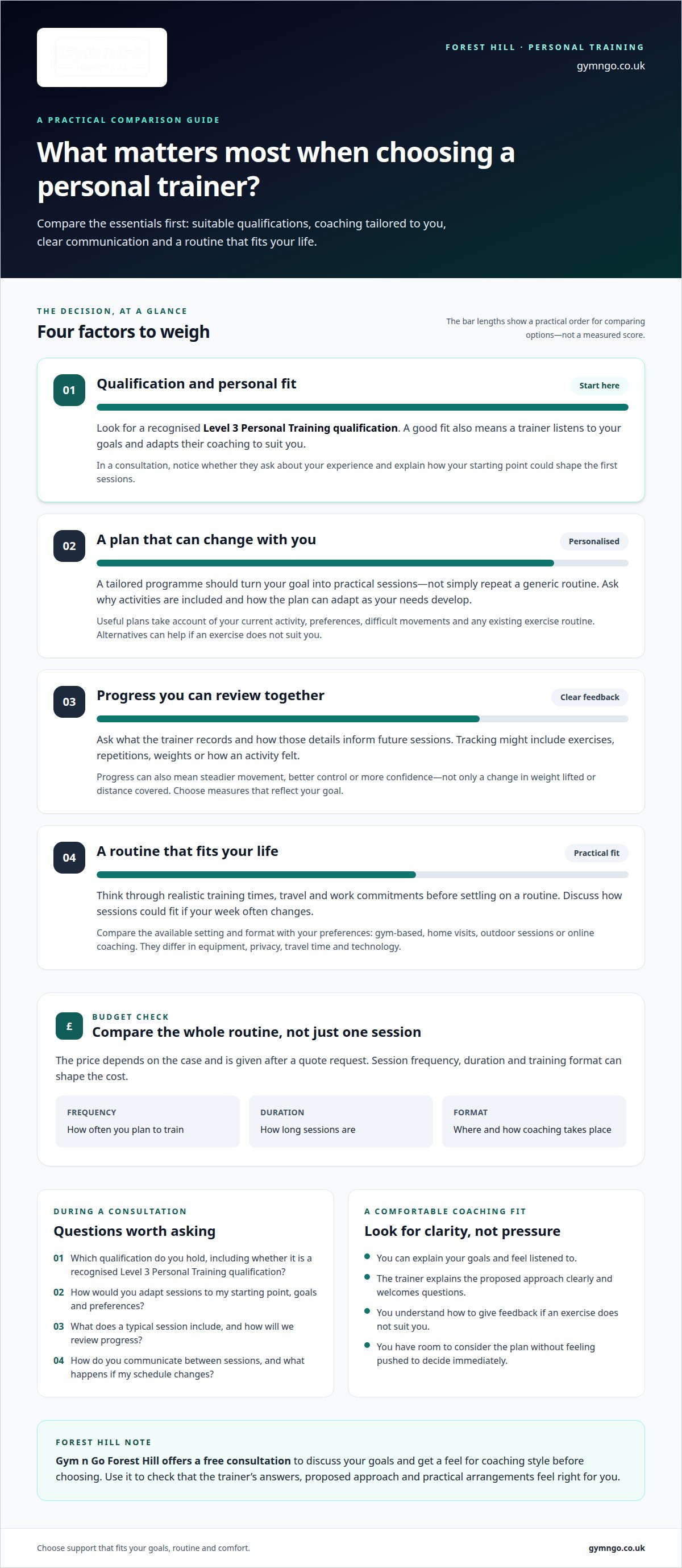
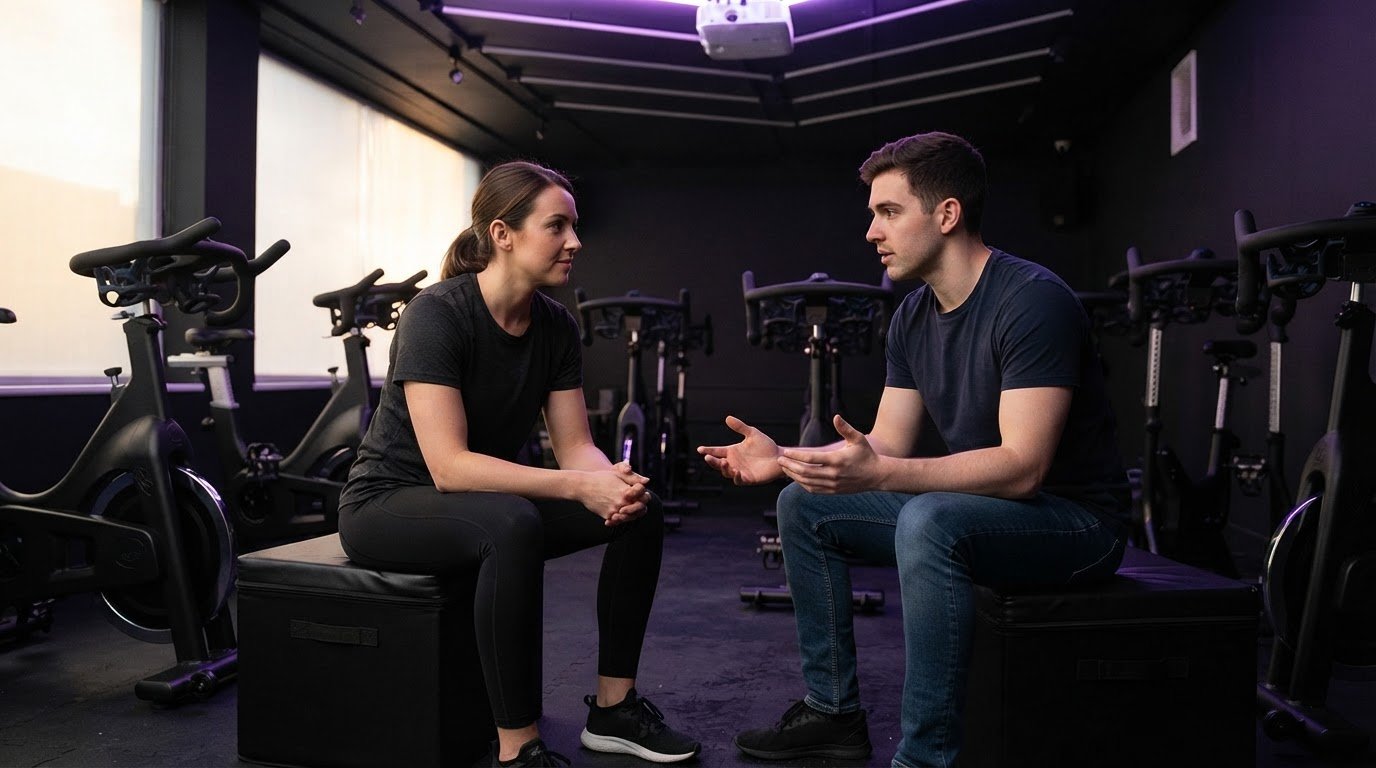
A consultation gives you a chance to explain what you want from training and hear how a trainer could help. Gym n Go Forest Hill offers a free consultation, so you can discuss coaching style before choosing. Notice whether the trainer listens, explains things clearly and asks about your experience. For example, a goal to build strength may call for a different starting point from a goal focused on weight management.
A consultation should cover your exercise background, current routine, preferences and any factors that affect how you train. Be honest about what feels comfortable and what you hope to change. The trainer can then explain how they would use that information to shape your first sessions. When finding the right personal trainer in Forest Hill, consider whether the proposed approach feels specific to you.
Questions before hiring
Ask how the trainer will adapt sessions to your starting point, what a typical session includes and how they’ll review progress. Find out how they communicate between sessions and what happens if your schedule changes. These answers show whether the practical details suit your routine as well as your fitness goal.
Ask which qualification they hold, including whether they have a recognised Level 3 Personal Training qualification. You could also ask for an example of how they’ve adapted a plan when a client’s priorities changed. A clear answer should explain the steps, such as adjusting exercises or reviewing goals, rather than promising a particular result. Notice whether you feel able to ask follow-up questions.
Before booking a first session, recap your goal, preferred training times and any concerns you raised. Check that you understand the proposed approach and how to give feedback if an exercise doesn’t suit you. A useful consultation leaves you with a clear next step, such as booking a session or taking time to consider the plan. Choose based on the trainer’s answers and your comfort with their approach, not pressure to decide immediately.
Personalised training plans and progress tracking
In Forest Hill, you can choose personal training at a gym or with an independent trainer. Compare how each would shape a programme around your goals, starting point and preferred way to train.
Bespoke training programmes
A tailored programme should turn your goal into practical sessions, rather than follow a generic routine. For example, a strength goal might involve choosing exercises that suit your experience and the equipment available. A trainer should explain why each activity is included and how the plan can change as your needs develop. This gives you a clearer role in shaping your training.
Ask how the programme accounts for your current activity, exercise preferences and any movements you find difficult. A useful plan can include alternatives, so one challenging exercise doesn’t derail the session. If you’re new to training, clear instructions can build confidence as you learn each movement. If you already exercise, discuss how the programme can fit around your existing routine.
Structured programmes and progress tracking
A structured programme gives each session a purpose and a way to review what you’ve done. Progress tracking might include recording exercises, repetitions, weights or how an activity felt. These notes help you and your trainer spot patterns and decide when an adjustment makes sense. Ask what they record and how those details shape future sessions.
Progress isn’t only a change in weight lifted or distance covered. You might notice steadier movement, improved control or greater confidence with an exercise. Agree which signs matter to you, then review them regularly with your trainer. If a measure stops reflecting your goal, discuss replacing it with one that’s more relevant.
For a clear starting point, ask how a sample week might be organised around your goal. Notice whether it balances challenging work with exercises you can perform comfortably and consistently. A plan should also allow for changes in energy, routine or available equipment. Your trainer can explain what to adjust when a session doesn’t go as planned and how to return to the programme without losing direction.
Choose progress measures that help you make decisions, not just collect figures. If your aim is strength, compare how an exercise feels and performs over time. If your aim is to build a regular routine, track whether the planned sessions fit your week. This keeps reviews connected to your priorities rather than relying on a single measure. It also gives you useful points to discuss as your goals develop.
Tailoring programmes to goals, availability and budget
Start by matching your fitness goal with a routine that fits your week and spending priorities. Personal training in Forest Hill can focus on goals such as strength or weight management. If rehabilitation is your focus, discuss your circumstances and the trainer’s relevant experience to decide whether their support suits your needs.
Home visits, outdoor sessions and online coaching are possible personal training formats, but they aren’t interchangeable. The location affects equipment, privacy and travel time, whilst online sessions depend on the format and technology used. Decide which setting suits your routine, then compare it with the trainer’s actual session arrangements.
Availability matters because a plan only works if you can follow it consistently. Write down the times you can realistically train, including travel and work commitments. If your week changes often, discuss how sessions could fit around your schedule. If a regular slot suits you, build the programme around it and protect that time.
Budget the whole routine, not just an individual session. The price depends on the case and is given after a quote request, with factors such as session frequency, duration and training format shaping the cost. Decide what you can sustain, then compare the proposed frequency with your other fitness commitments. A lower session frequency can still provide structure if you agree how to practise independently between meetings.
Keep your priorities specific. “Improve strength” gives you a direction, but naming a practical goal, such as feeling steadier during everyday lifting, helps guide exercise choices. For weight management, discuss what training can contribute without treating a particular result as guaranteed. If rehabilitation is your focus, explain your circumstances and ask how the trainer’s experience fits your needs. Similarly, for those tailoring fitness around sport-specific performance, specialised training programmes like King Daddy Sports show how structured coaching can be targeted to particular athletic disciplines.
Before agreeing to a programme, map out three things: your main goal, realistic training times and a sustainable budget. Then ask the trainer to explain how the proposed plan connects all three. If work shifts change or your priorities develop, revisit the schedule and session structure together. This keeps your progress grounded in a routine you can maintain, rather than an ideal week that rarely happens.
Trainer coaching style and communication
A coaching style should help you feel challenged without feeling pressured. During a session, notice whether instructions are clear and corrections feel respectful. For example, a trainer might demonstrate an exercise or offer an easier version before asking you to try a more challenging one. That balance can help you build confidence while staying involved in decisions about your training.
Gym n Go Forest Hill offers a free consultation, giving you a chance to discuss how a trainer communicates. Explain what motivates you, then notice how they respond. Do they listen before suggesting a plan? Do they explain unfamiliar terms in plain English? These details can show whether their approach suits your preferences and confidence.
Some people value direct prompts, whilst others prefer calm guidance and time to practise. Neither style is automatically better. Consider an example: if your form changes during a movement, would you prefer an immediate correction, a demonstration or a brief explanation first? A good trainer should communicate in a way that keeps you informed and comfortable asking questions.
Discuss how feedback works during and between sessions. Ask how you can flag discomfort, request a different exercise or raise concerns about your progress. A helpful response should be specific, such as changing the movement or adjusting the session’s pace. Notice whether the trainer treats your feedback as part of working together, rather than as a distraction.
Communication also covers practical details. Agree how session changes are discussed, how instructions are shared and what to do if you need clarification. If you learn best by seeing an exercise, ask for a demonstration; if you prefer verbal cues, say so. Small adjustments can make sessions easier to follow and help you stay focused on your goals.
Before choosing, picture an ordinary session with that trainer. Would their encouragement help you take on a challenge, and could you comfortably say when something doesn’t feel right? For a coaching approach shaped around your needs, explore personal training as a possible next step.
Gym n Go Forest Hill: Flexible Gym Memberships
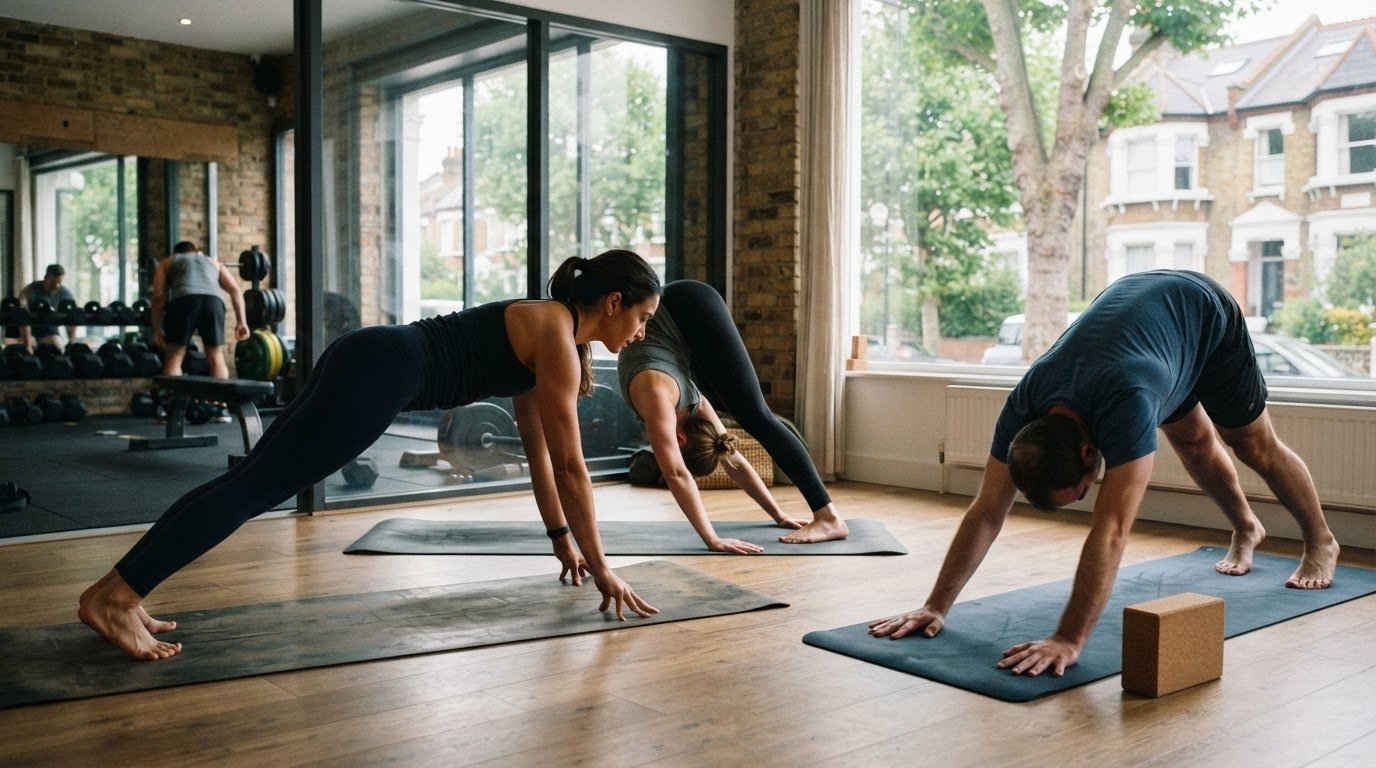
Gym n Go Forest Hill offers personal training to help you put your goals into practice. If you want to balance one-to-one coaching with independent workouts, flexible gym memberships provide another way to build training into your routine. Yoga and Pilates classes offer a different style of movement to complement your activity.
Choose the combination that suits how you want to train. You might focus on personal training, add classes to your week or use a flexible membership for your own gym sessions. The right mix depends on your goals, preferred routine and coaching needs.
If you’re ready to explore your options, contact Gym n Go Forest Hill or visit gymngo.co.uk.
Take a confident first step
Finding the right personal trainer in Forest Hill means choosing support that works for your life, not chasing someone else’s routine. Let your priorities guide what you do next. You might begin with one-to-one coaching or choose a broader fitness routine that leaves room to explore different activities. A manageable start can help you build a rhythm that feels like your own.
Gym n Go Forest Hill offers Personal Training, Flexible Gym Memberships and Yoga & Pilates Classes. These options give you different ways to approach exercise, whether you want individual guidance, independent workouts or a class-based activity. Think about what would make it easier to begin, then take that idea into your next conversation.
Ready to explore a welcoming local option? Contact Gym n Go Forest Hill and take your next step towards a routine that suits you. Progress starts with choosing a way forward that feels right for you.
Frequently Asked Questions
How to find a qualified personal trainer in Forest Hill, London?
Finding the right personal trainer in Forest Hill starts with matching the training setting to your routine. Decide whether you prefer a gym floor, a home visit or an outdoor session, then consider travel and equipment. Ask about the trainer’s qualification and experience with your goal. A local conversation can also clarify where sessions take place and how the trainer structures them.
What qualifications and accreditations should a UK personal trainer have?
UK personal trainers are recommended to hold a recognised Level 3 Personal Training qualification. Ask for the exact qualification and awarding organisation, then look for clear evidence of the credential. If you want help with a particular area, such as rehabilitation, ask what relevant training and experience the trainer has. Treat an additional specialism as separate from the core personal training qualification.
How to compare Forest Hill personal trainers by reviews, experience, and specialisms?
If you’re comparing trainers, look for specific details about how they explain exercises, adapt sessions and support consistency. Ask how their experience relates to your goal, then consider whether their answers suit your needs. A trainer’s approach should connect directly to what you want to work on, such as strength development, rather than simply sound impressive.
What should I expect from a first personal training session and fitness assessment?
A first session can give you a chance to discuss your aims and experience, then try exercises suited to your starting point. The trainer might observe how you perform a movement, explain the technique and adjust the exercise to your ability. You should leave understanding what the session focused on and how its observations inform your next steps. Speak up if an instruction is unclear.
What are the risks of choosing an unqualified personal trainer, and how can I check insurance?
An unqualified trainer might lack the knowledge to choose suitable exercises or explain safe technique, which can make sessions poorly matched to your needs. Before starting, ask to see the trainer’s insurance certificate. Check that the insured person or business is named and that the policy covers personal training at your session location. Confirm the policy dates and relevant activities shown on the document.

Comments